
Preparing for Snow with Autism
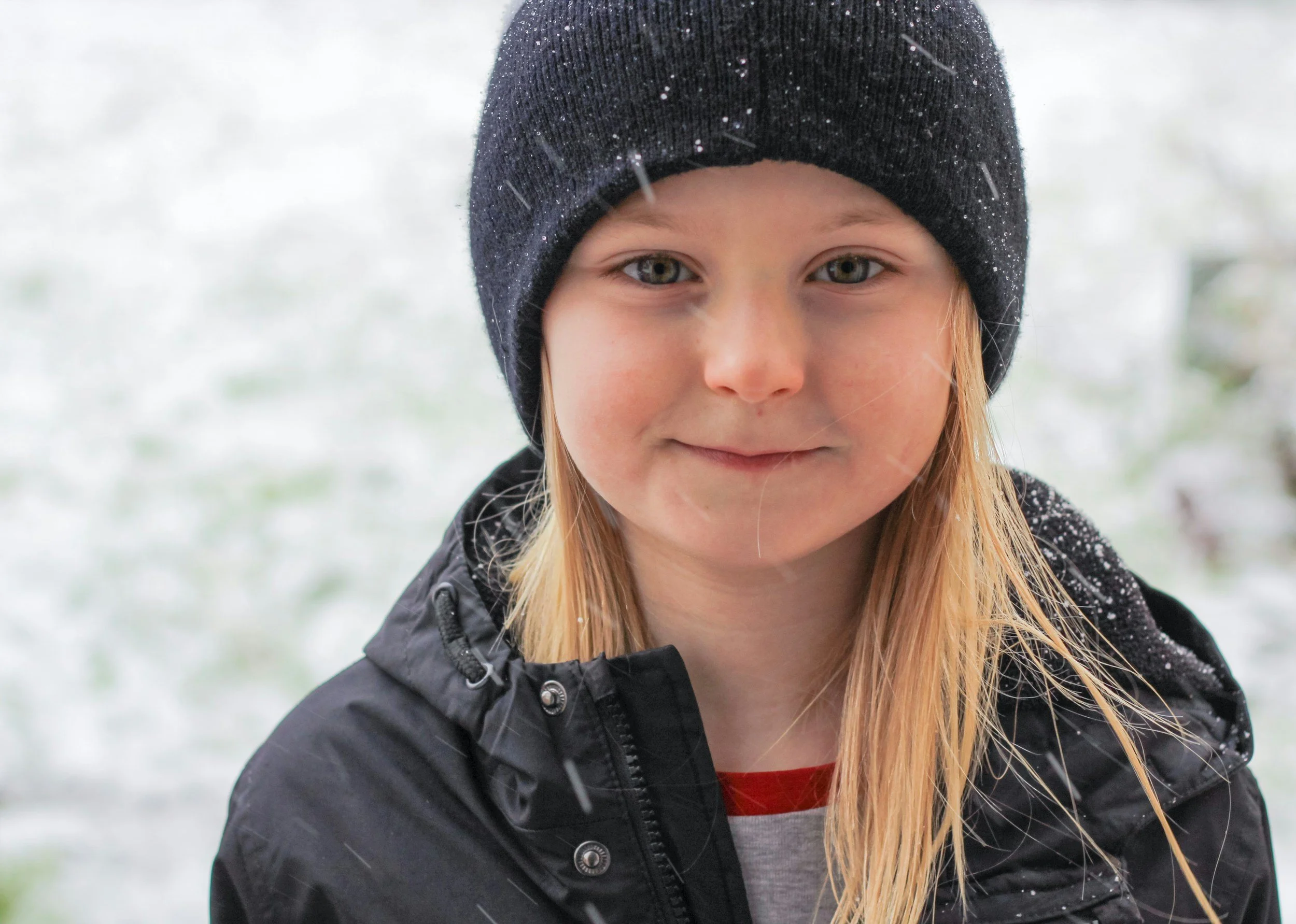
SNOW SENSORY: EXPERIENCING WINTER IN YOUR OWN WAY
Winter brings snow - a blanket of white that promises fun, magic, and sometimes… sensory overload. For many families, snow is a symbol of holiday joy: sledding, snowball fights, building snowmen, and crunching footprints.
But for autistic people, snow can be a lot more complicated. Cold, wet, crunchy, and unpredictable - it’s a whole new sensory world.
At ARK, we know that experiencing snow doesn’t have to look like the movies. Some people dive in with abandon. Others approach cautiously… or avoid it altogether. And that’s perfectly okay.
Why Snow Can Be Sensory-Intense
Snow might seem soft and fun to some, but for autistic people it can trigger a variety of sensory responses:
Temperature and texture: Snow is cold, wet, and often changes underfoot. Even wearing gloves or boots may feel uncomfortable.
Sounds: Crunching snow under boots, icy wind, or echoes across open spaces can be startling.
Proprioception challenges: Walking or running in snow requires balance and body awareness - tricky for some people.
Unexpected surprises: Hidden ice, snow sticking to clothing, or snow falling from trees can be startling.
Some people love the sensation of snow on their hands or feet. Others tolerate it in small doses. Some avoid it entirely. All of these responses are valid.
Tips for Making Snow Play Enjoyable
Start small: Let them explore a little snow at first - touching it, patting it, or watching it fall.
Layer clothing strategically: Soft mittens, waterproof boots, and comfortable outer layers help reduce discomfort.
Use tools or toys: Snow shovels, buckets, or sleds allow play without direct contact if touching snow is difficult.
Create a predictable environment: Build snow piles in a familiar area or stick to quiet, safe outdoor spaces.
Offer breaks: Let them warm up indoors or take a break from snow play whenever they need.
Model gentle exploration: Demonstrate how snow can be touched, shaped, or rolled to make it less intimidating.
Embracing Different Ways of Enjoying Snow
They don’t have to roll in the snow, make snow angels, or have a snowball fight to enjoy winter. Alternative ways to experience snow include:
Watching snowfall from a window
Feeling snow on the edge of a glove or boot
Listening to the crunch of footsteps in the snow
Photographing or drawing snow-covered landscapes
Decorating a small patch of snow with safe objects
The key is letting them experience snow on their own terms - exploring, watching, or playing in ways that feel comfortable.
Making Winter Fun for Everyone
Snow can be magical, stressful, or somewhere in between. By accepting their sensory needs and providing options, snow play becomes less about “perfect winter fun” and more about authentic experiences.
Even just standing outside and breathing in the cold air, watching snowflakes drift down, or crunching along a familiar path counts as play. Winter is full of possibilities - and they get to choose how to enjoy them.
