
5 Sensory-Friendly Outdoor Activities with Autism: From Tobogganing to Snow Forts
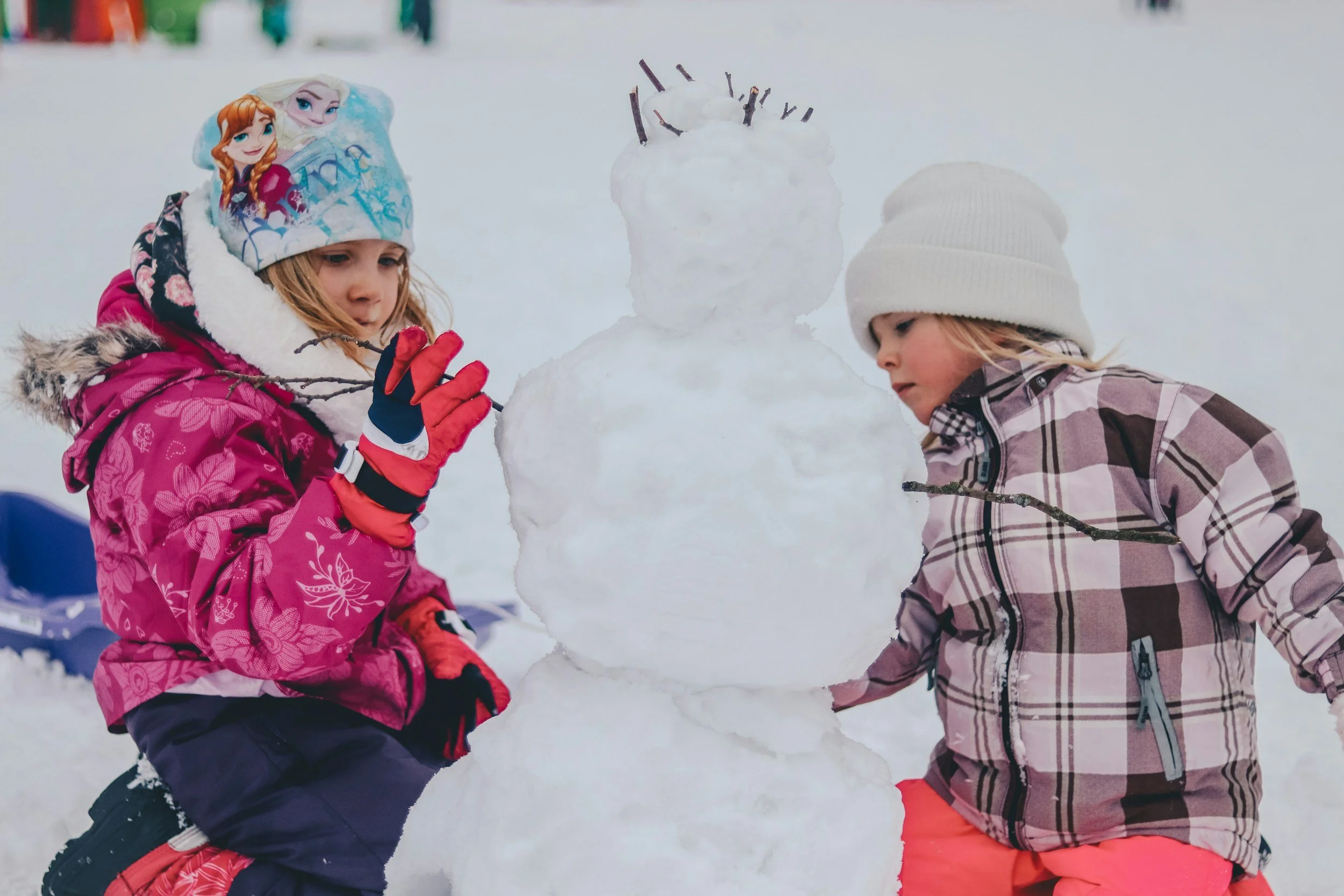
WINTER OUTDOORS: TOBOGGANING, SNOW FORTS, HOCKEY, SKATING, AND SENSORY-FRIENDLY FUN
Winter can feel like a magical, snowy playground - full of possibilities for outdoor adventure. Tobogganing down hills, building snow forts, skating on frozen ponds, or playing hockey with friends can be exhilarating.
But for autistic people, winter outdoor activities aren’t always straightforward. Cold air, wet clothes, loud laughter, and unpredictable surfaces can turn play into a sensory challenge. We believe winter fun should be accessible, safe, and enjoyable - on their terms.
Tobogganing: Fast, Fun, and Flexible
Tobogganing can be thrilling - but the speed, cold, and unpredictability of a hill might feel overwhelming. Here are some ways to make it enjoyable:
Start small: Begin with gentle slopes before moving to bigger hills.
Use appropriate gear: Helmets, warm layers, waterproof gloves, and boots reduce discomfort and risk.
Create predictable routines: Waiting your turn, sledding safely, and exiting the hill in a familiar way helps reduce stress.
Offer choices: They may want to ride alone, with a parent, or with a sibling. Let them decide.
Watch for sensory overload: Some people might love the rush; others might prefer to watch before trying. Both are fine.
Snow Forts and Snow Play: Imagination Meets Movement
Building snow forts, tunnels, or sculptures can be a slower, creative way to enjoy the snow. For some people, this is easier to manage than high-speed sledding:
Start small: Mini forts or low walls can be satisfying without being physically overwhelming.
Use tools: Buckets, shovels, and molds allow exploration without needing to touch cold, wet snow directly.
Encourage imaginative play: Forts, tunnels, or snow “castles” can become spaces for storytelling, stimming, or solo play.
Allow for solo or social play: Some people thrive building with others; some prefer constructing on their own. Both approaches are meaningful.
Include breaks: Warming up indoors, sipping a favourite drink, or stretching can make snow play last longer without stress.
Hockey: Fun, Fast, and Flexible
Playing hockey outdoors can be a classic winter pastime - but the fast pace, physical contact, and icy surfaces can be challenging for some autistic people:
Start slowly: Let them practice skating or stick handling at their own pace before joining a game.
Protective gear is key: Helmets, gloves, and padding reduce risk and boost confidence.
Create small, controlled games: Mini scrimmages or passing drills help them learn without feeling overwhelmed.
Offer spectator roles: Some people prefer to watch and cheer before jumping in. Participation is flexible.
Respect breaks: Loud shouting, fast movement, or collisions may trigger stress - stepping away is okay.
Skating: Balance, Freedom, and Sensory Exploration
Ice skating is another popular winter activity - graceful, exhilarating, and sensory-rich:
Use support if needed: Skate trainers, rails, or holding hands can help beginners feel steady.
Start indoors or on smaller rinks: Controlled environments reduce unexpected sensory input.
Layer clothing appropriately: Cold feet or hands can make skating unpleasant - gloves, thermal socks, and comfortable layers help.
Encourage short sessions: Skating for a few minutes at a time can be more enjoyable than long stretches.
Celebrate small milestones: Even balancing for a few seconds or taking a few strides counts as success.
Other Winter Outdoor Activities
Winter offers even more ways to enjoy the outdoors:
Snow painting: Use food colouring or water-based paints to decorate snow safely.
Winter scavenger hunts: Collect pinecones, observe animal tracks, or spot different snow textures.
Nature walks: Quiet paths allow people to explore without overwhelming crowds or steep hills.
Ice exploration: Touching frozen ponds or puddles with supervision can be fascinating sensory play.
Winter games: Gentle snowball tossing or building obstacle courses in snow-covered yards.
Tips for a Sensory-Friendly Winter
Layer clothing appropriately: Warm, breathable layers prevent discomfort.
Provide familiar items: Favourite mittens, hats, or sensory toys can make outdoor play more predictable.
Respect comfort levels: Some people may dip a toe in snow, while others jump in fully - both are valid.
Use visual or verbal cues: Explain upcoming activities, show where to go, and model safe play.
Offer choices frequently: Let them decide which activity to try, for how long, and when to take breaks.
Making Winter Fun Your Way
Winter outdoor play doesn’t have to match the picture-perfect scene of snow-covered hills and exuberant people. Success looks different for everyone:
Watching others play before joining
Taking a slow walk in the snow
Building a mini snow fort instead of racing down a hill
Experiencing hockey, skating, or snow exploration at their own pace
When we adapt activities to a person’s sensory and emotional needs, the winter season becomes less about perfection and more about joyful exploration.
Snow, hills, forts, hockey, skating, or quiet walks - every winter experience can be meaningful if approached with patience, creativity, and respect for comfort.
