
7 Food Flexibility Tips for the Holidays
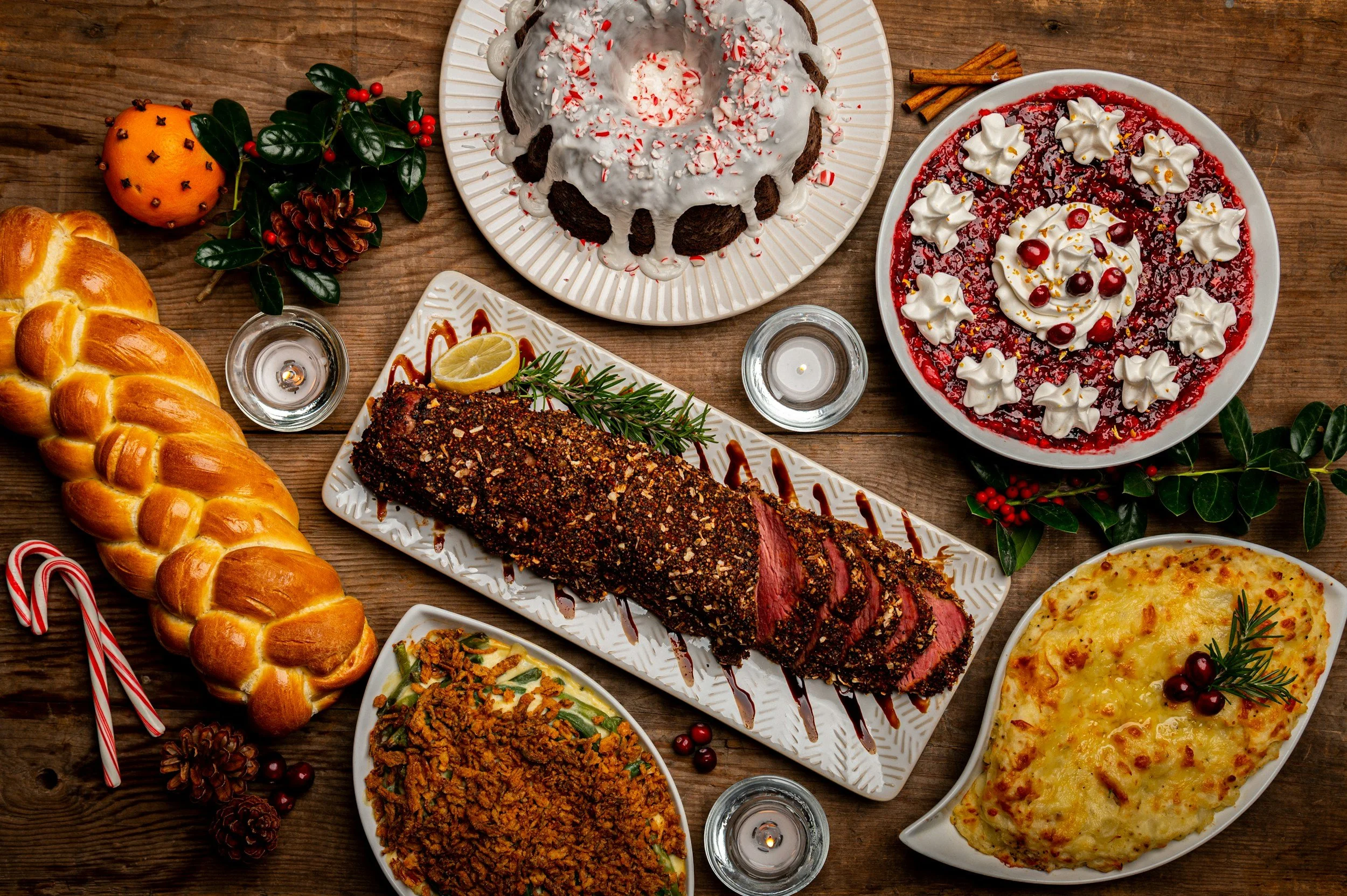
Christmas meals can be a magical time - but if your child (or loved one) is autistic, they can also feel overwhelming. The food, the smells, the social pressure… it’s a lot. We believe you can create a holiday meal that meets your family where you are. Here are some tried-and-true tips to help make Christmas dinner (and snack time) more comfortable and flexible.
1. Plan Ahead - and Involve Your Child
Talk through the menu early. Before the big day, share what dishes will be on the table. Use a visual schedule, a list, or even photos of the food so your child knows what to expect. That kind of predictability helps reduce anxiety.
Let them choose or help. If your child can, involve them in planning the menu or prepping a dish they like. Even small tasks, like stirring, pouring, or arranging ingredients, can give them a sense of control.
Introduce new foods gently. If there are holiday foods that might be new or challenging, try offering them in the days leading up to Christmas. Don’t push for a full bite - just exposing them to the sight or smell can help.
2. Create a Sensory‑Friendly Eating Environment
Provide a calm “safe space.” Have a quieter area where your child can step away if the dinner room feels too chaotic.
Manage lighting and noise. Dim lights if possible, or reduce the glare of string lights. Also, try to minimize kitchen clatter or loud holiday music so your child isn’t bombarded with sensory input.
Use familiar utensils and dishes. Let your child eat from plates or with utensils they’re comfortable with - their own favourite bowl or cutlery can make mealtime feel safer.
3. Offer Flexible Food Options
Bring “safe” foods: Always have some of your child’s go-to foods available - things they know and like. Forcing them to try only traditional holiday dishes can backfire.
Serve side-by-side choices: On the Christmas table, place a few non-traditional options alongside the holiday foods. That way, your child has choice and control without feeling left out.
Use simple or separate plating: Try compartment-style plates or separate dishes so foods don’t mix in ways that feel overwhelming to your child. Some autistic people strongly prefer foods not touching. > From a parent: “I only load her plate up … I feel like [the big school lunch tray] gives enough compartments to separate everything …”
4. Practice “Food Play” and Exposure Before the Day
Set up a sensory station. In the days before Christmas, let your child touch, smell, or play with non-threatening holiday ingredients: cranberries, dough, spices, or cookie dough. This isn’t just fun - it helps build familiarity.
Role-play the meal. Use social stories, pictures, or a mini “pretend dinner” to walk through the holiday routine. Who will be there? What will the food feel or smell like? What’s the plan if they need a break?
Try small bites, no pressure. If your child is okay with it, offer just a tiny taste of a new food (or even just touching it) without insisting they finish. That exposure can do wonders over time.
5. Support Self-Regulation During the Meal
Give breaks. Make sure your child knows it’s okay to step away from the table. Whether it’s to regroup, calm down, or just get a sensory break - that’s totally valid.
Set realistic expectations. Let relatives know in advance that your child may not try every dish or may need to eat separately part of the time. Encouraging a big family photo before dinner might help reduce performance pressure.
Celebrate effort, not perfection. If they try something new, even a little, that’s a win. Praise brave behaviour. If they refuse, that’s fine - the goal is connection, not a Hallmark holiday.
6. Be Prepared & Communicate
Talk to guests. If friends or family are coming over, let them know ahead of time about your child’s food preferences or sensory sensitivities. This helps set expectations and reduce surprises.
Bring your “backup plan.” Whether that’s a container of your child’s preferred food or an alternative dish you know they like, having a fallback ensures they always have something safe to eat.
Practice self-care. You’re doing a lot. Remember to take breaks too. The holiday doesn’t need to be perfect - it just needs to be manageable.
7. Embrace New (or Non‑Traditional) Traditions
Make your own version of Christmas dinner. Who said you needed turkey or mashed potatoes? Maybe your family eats chicken nuggets, cheese pizza, or grilled sandwiches. If that’s what your child (or everyone) is okay with, lean into it.
Start a special holiday food tradition. This could be a dessert they choose, a special snack they look forward to every year, or even a “Christmas breakfast” of their favourite food.
Normalize differences. Explain to others (if needed) that your child’s holiday meals might look different - but that doesn’t make them any less celebratory, meaningful, or loving.
Christmas Is About Togetherness
Not about eating exactly what’s on some traditional holiday menu. For autistic families, food flexibility isn’t just a nice-to-have - it’s essential. When you allow things to be different, when you plan with compassion, and when you centre your child’s comfort, you make space for true holiday magic.
Your holiday doesn’t have to look like everyone else’s. It just has to feel like yours.
